1. How Have Human Tissues and Cells Been Used for Biomedical Research?
Biomedical research, or experimental medicine, is a combination of basic and applied research done in the interest of promoting a healthy population.
The World Health Organization’s (WHO) definition, issued in 1946, implied a normative connotation when describing “healthy” as a “state of complete physical, mental, and social well being” (WHO, 1946). Later definitions continued to reference “the absence of disease or infirmity” as an indicator of a healthy state, thereby relegating people living with disease and disability to an “unhealthy” category. Using these definitions, one can only be part of a healthy population if their disease/disability is treated, or cured, which first requires diagnosis.
Thus, an individual’s health is assessed using diagnostic tests that measure physical and cognitive abilities in a changing environment and comparing these results to a reference standard. When reduced ability, or disease, emerges, researchers use these cases as opportunities to investigate possible causes. The approach can be medical, seeking to understand, or address, the molecular processes that contribute to disease or disability. Alternatively, the approach can be social, investigating how our current and future environments are hindering some persons from contributing to society and living a full life, without social barriers. In some cases, the social model attempts to address the oppression felt by those living with impairment as a result of discriminatory practices (Shakespeare, 2002). A contemporary approach looks at the intersection of the biomedical and social models of health by investigating how social factors such as stress, poverty, and racism hijack molecular processes resulting in chronic disease/disability and increased mortality (Eisenberg, 1999; Galea et al., 2011; Radley et al., 2011).
Combining biomedical and social approaches to health aids in our understanding of disease, informs practices that prevent their occurrence, and addresses social discrimination associated with disability. Some of the earliest leaders of social medicine include Rudolph Virchow, an important figure in the history of cell biology, and Louis Pasteur, a pioneer in microbiology and communicable disease prevention (Pridan, 1964; Ullman, 2007). Health policies associated with prevention of disease and disability include air pollution standards, laws regarding occupational workplace safety, guidelines for nutrition and exercise, and mass screenings using diagnostic medical tests.
A socio-biomedical approach can also ameliorate the negative effects of living with disease and disability through the development of biomedical therapies, assisted devices/technologies, and the creation of inclusive environments that accommodate variance in ability such as the installation of ramps and the incorporation of sign language. A healthy individual is then defined as one that has the “ability to adapt” to a changing environment, and a healthy environment is one designed to support the life activities of individuals with a diverse range of abilities. This history and approach is succinctly summarized in the Lancet editorial titled “What is health; The ability to adapt” (Anonymous, 2009).
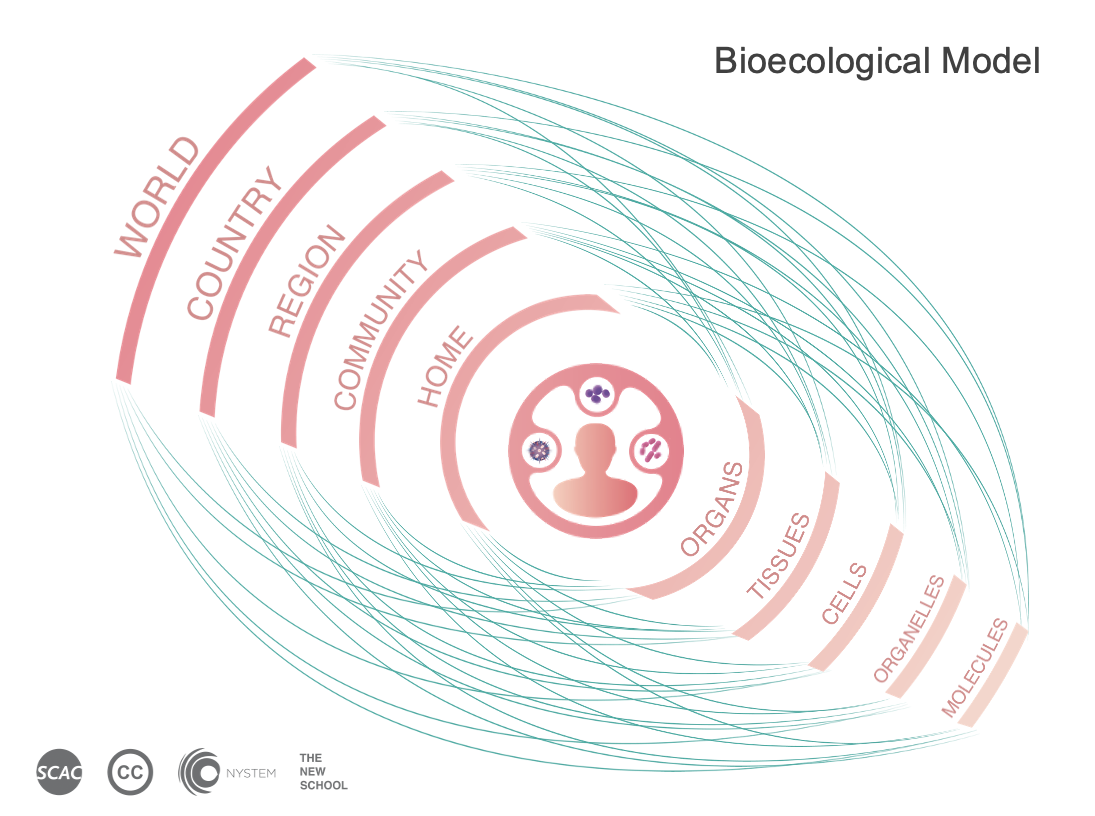
The field of epigenetics bridges the medical and the social models of health by clarifying the molecular mechanisms involved in responding to the macro-scale environment in which we live (Bronfenbrenner, 1979; Kubicek & Tolpa Studios, 2011; HeLa Primer PPT Slide 3: Bioecological Model).

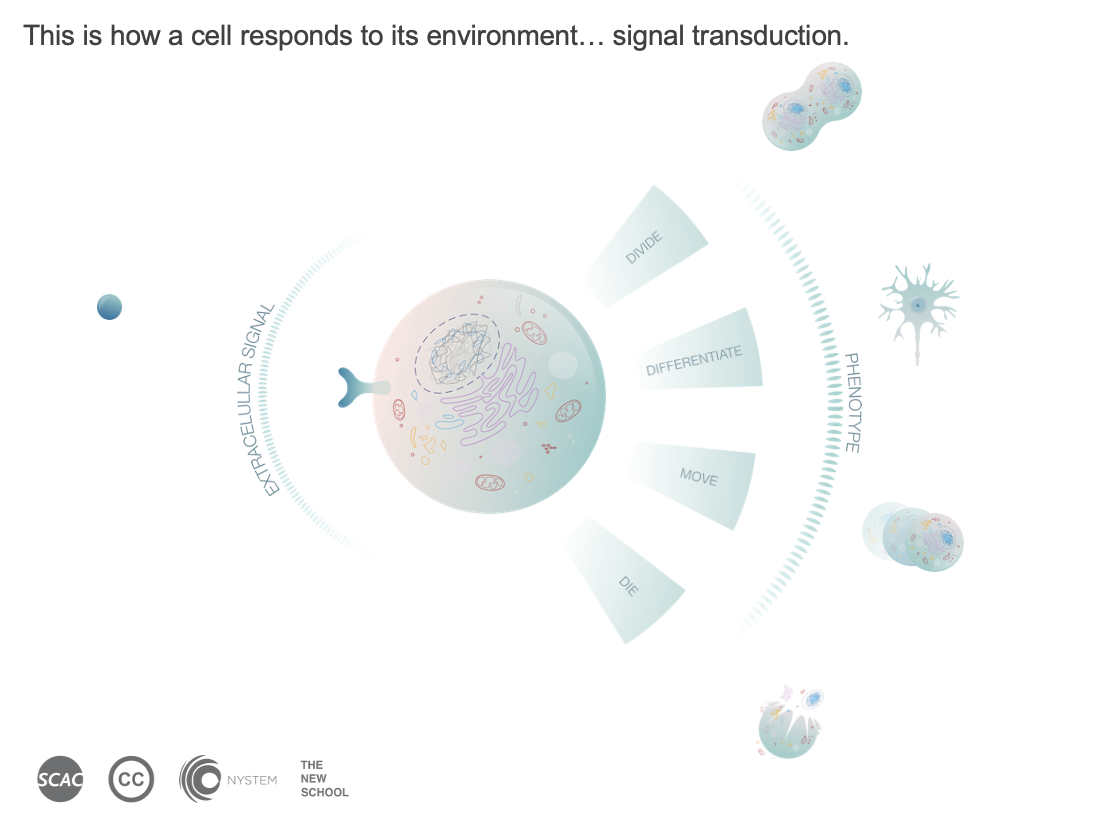
Epigenetics also investigates local micro- environmental effects on cells, tissues, and organs, to determine which environmental signals are responsible for influencing cells to divide, differentiate, move, or die (Powell, 2005) (HeLa Primer PPT Slide 4: Cell Signaling and Cell Fate).
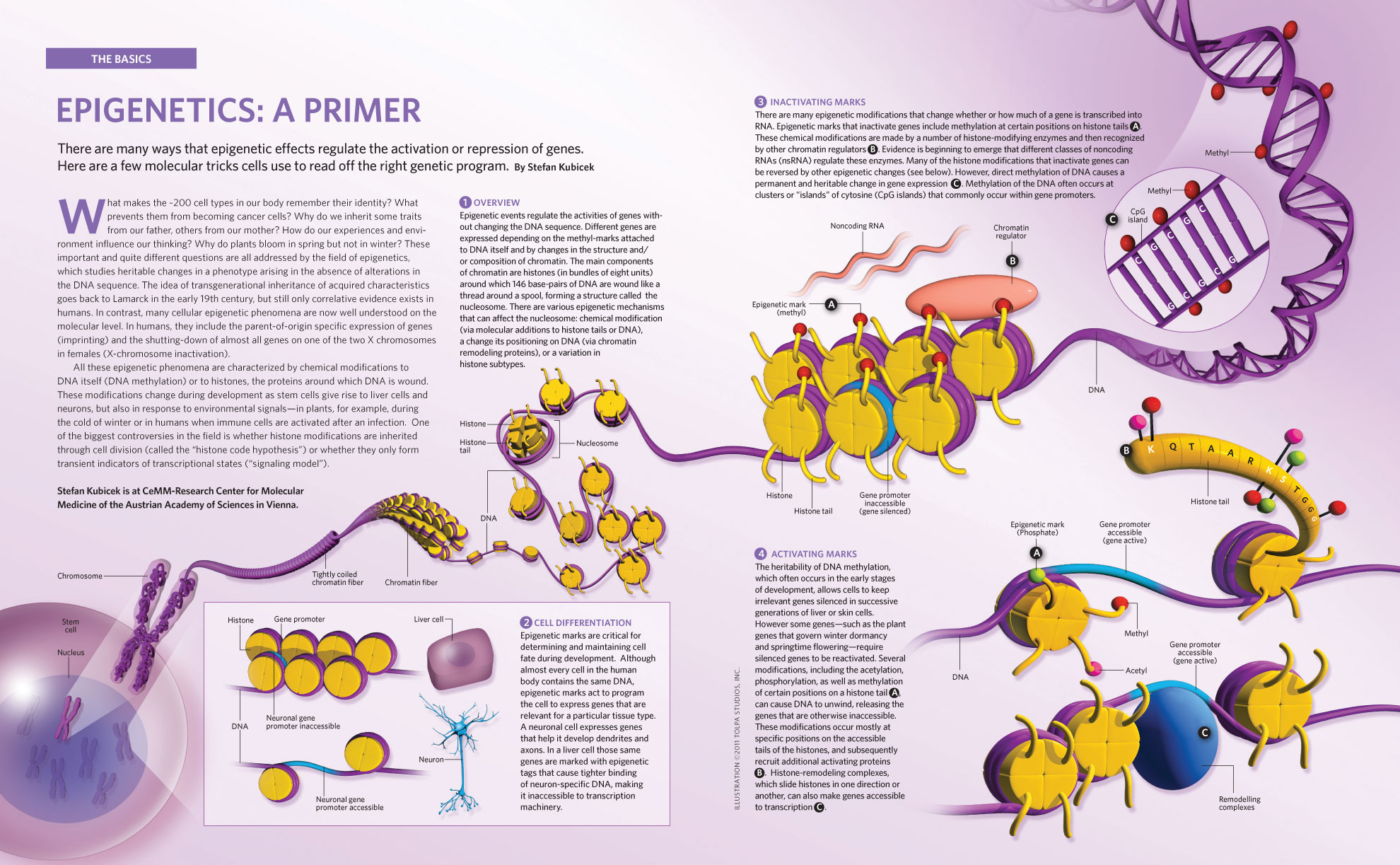
Infographic Image Link
Infographic: Kubicek, S. 2011. Infographic: Epigenetics - A Primer. The Scientist. Link

Examples of the vital role that environmental factors have in human development include maternal factors in the womb that influence the developing embryo (HeLa Primer PPT Slide 5 & 6: Embryonic Development), extracellular matrix (ECM) components responsible for wound repair (HeLa Primer PPT Slide 7 & 8: ECM and Making Body Parts) metabolic by-products that alter gene expression, and bacteria and viruses that live on, and in, our bodies influencing our physiology (Fountain, 2012). This natural process of DNA reprogramming is what allows different cells in our body to possess the same genome but behave and act differently, depending on which regions of the genome are programmed to be active.
Nuclear reprogramming
See here for an infographic on nuclear reprogramming

Additionally, living organisms have evolved to react to stress by reprogramming their DNA and changing their gene expression. Stressors can take the form of dehydration, malnutrition, or infection. Stress can also be the by-product of social interactions that make a person feel threatened, such as situations involving discrimination (Radley et al., 2011; Cossins, 2015; Seppa, 2015).
Slide Show. Chaddha, R. July 7, 2007. A Tale of Two Mice. NOVA PBS Slide Show. Link Don’t see the actual audio slideshow
Though epigenetics has regained popularity in the scientific community, the concept has been intimately tied to the study of cancer for some time.
Early studies in the 1950s sought to determine whether our genetic material or environment was responsible for the onset of cancer. Researchers quickly realized that this was not an “either/or” proposition and that gene-environment interactions are responsible for 90% of cancers. These same interactions prove important for understanding tissue regeneration in the context of injury and aging. There are also cases of individuals who have managed to halt some aging processes all together. The bodies, genes, and physiology of these individuals present researchers with an opportunity to identify genetic variations that might contribute to this unusual state, as well as illuminate which molecular processes are involved with regeneration and cancer.
Maclean’s. Mackenzee Wittke:The Girl Who Never Ages. Link (HeLa Primer PPT Slide 9: Aging and Immortality)
Much of the early work on cancer was dependent on tissue samples and cell cultures established from clinical biopsies, collected without consent for research, thereby circumventing conversations about privacy, ownership, and compensation. In the post-WWII fervor to bring science into the open, attention was shifted from the Big Science Physics of the Manhattan Project to Big Science Biology supporting medical research.
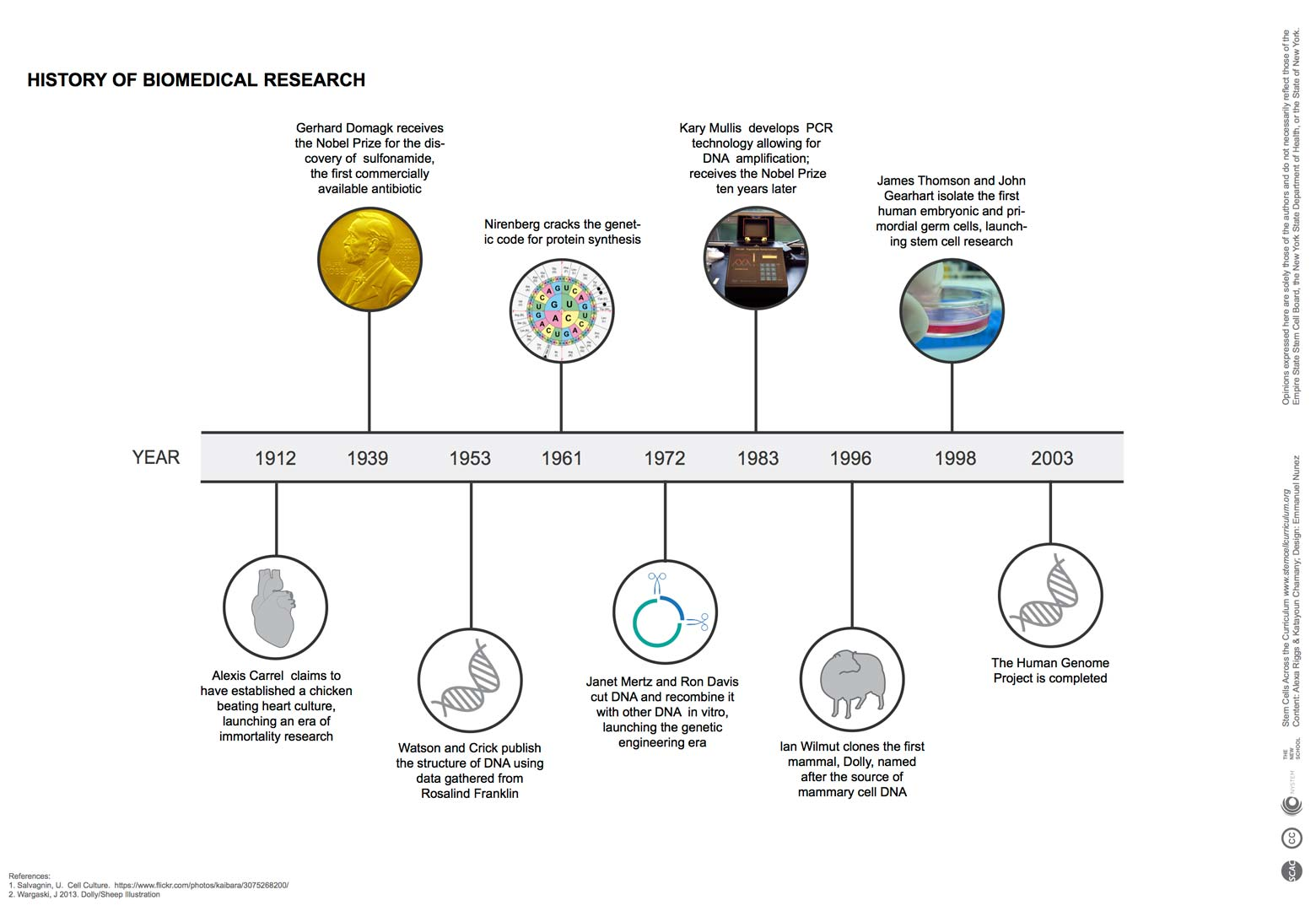
This shift refocused society’s attention from external threats associated with wartime propaganda to threats located in our own bodies and genes.
In the United States (US), the response was the publication of “Science The Endless Frontier” in 1945. The report, authored by Vannevar Bush, Director of the Office of Scientific Research and Development, equated scientific progress with social and economic development and proposed a national investment in biomedical research (NSF,1945; Crow, 2005; Cozzens, 2005; Pielke, 2010).
“Progress in the war against disease depends upon a flow of new scientific knowledge. New products, new industries, and more jobs rekquire continuous additions to knowledge of the laws of nature, and the application of that knowledge to practical purposes. Similarly, our defense against aggression demands new knowledge so that we can develop new and improved weapons. This essential, new knowledge can be obtained only through basic scientific research.” (Bush, 1945)
Riding the wave of success in the development of antibiotics and vaccines to address infectious diseases, a national pride emerged with many citizens seeing their contribution as part of the larger social good. Soon after Bush’s proposal was presented, the National Science Foundation (NSF) and the National Institutes of Health (NIH) alongside increased funding for biomedicine, led to developments in cell biology, immunology, and genetics, with the dual aim of maintaining a healthy workforce and creating marketable products. These developments were then touted in campaigns to stimulate public interest in continued investment and expansion of this emerging field. The success of the international smallpox vaccine campaign spurred other large-scale efforts. Around the same time that smallpox was eradicated, Mary Lasker, a philanthropist and activist for biomedical research, propelled the first large-scale studies to address cancer, what was then considered an epidemic without a cause.
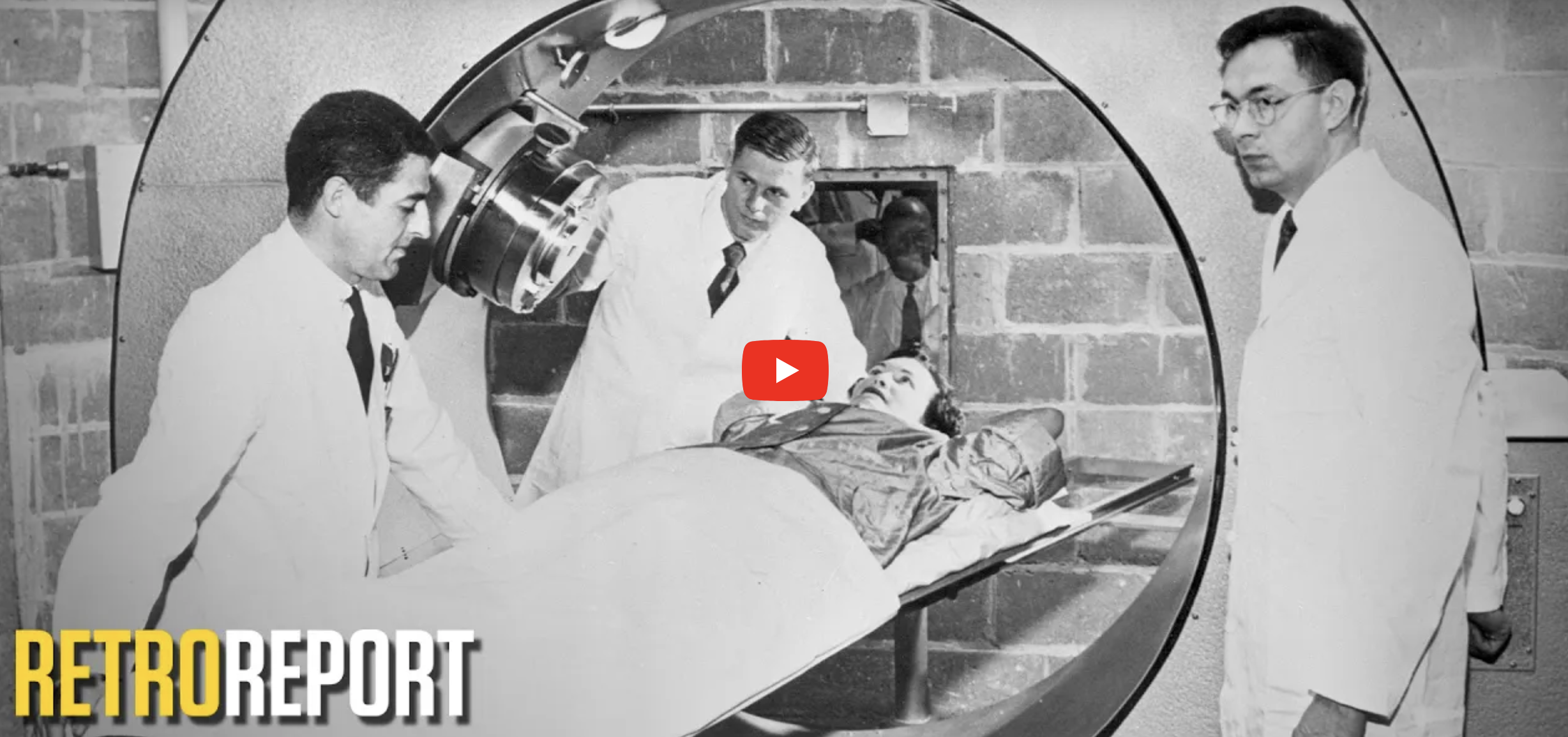
The “War on Cancer” and the National Sickle Cell Act announced by President Nixon in 1971 and 1972, respectively, led to fundraising efforts for biomedicine and broad dissemination of diagnostics. The buy-in from non-profit organizations, private philanthropy, and activist groups such as the Black Panthers resulted in mass collection of biological samples that then served as bioresources for research (Nelson, 2011). Thus, between 1950 and 1980, American citizens believed it was their civic duty to contribute to the public good by “finding cures” for a myriad of ailments and injuries and to comply with the standard practice of tissue biopsy and blood sample banking.
The investment in biomedical research was not the only consequence of WWII. War tribunals revealed that unethical medical research was conducted on individuals who were declared “unfit” in the name of science. These research subjects included orphans, those living with disabilities, prisoners, and, in the case of Nazi Germany, many ethnic groups considered impure.
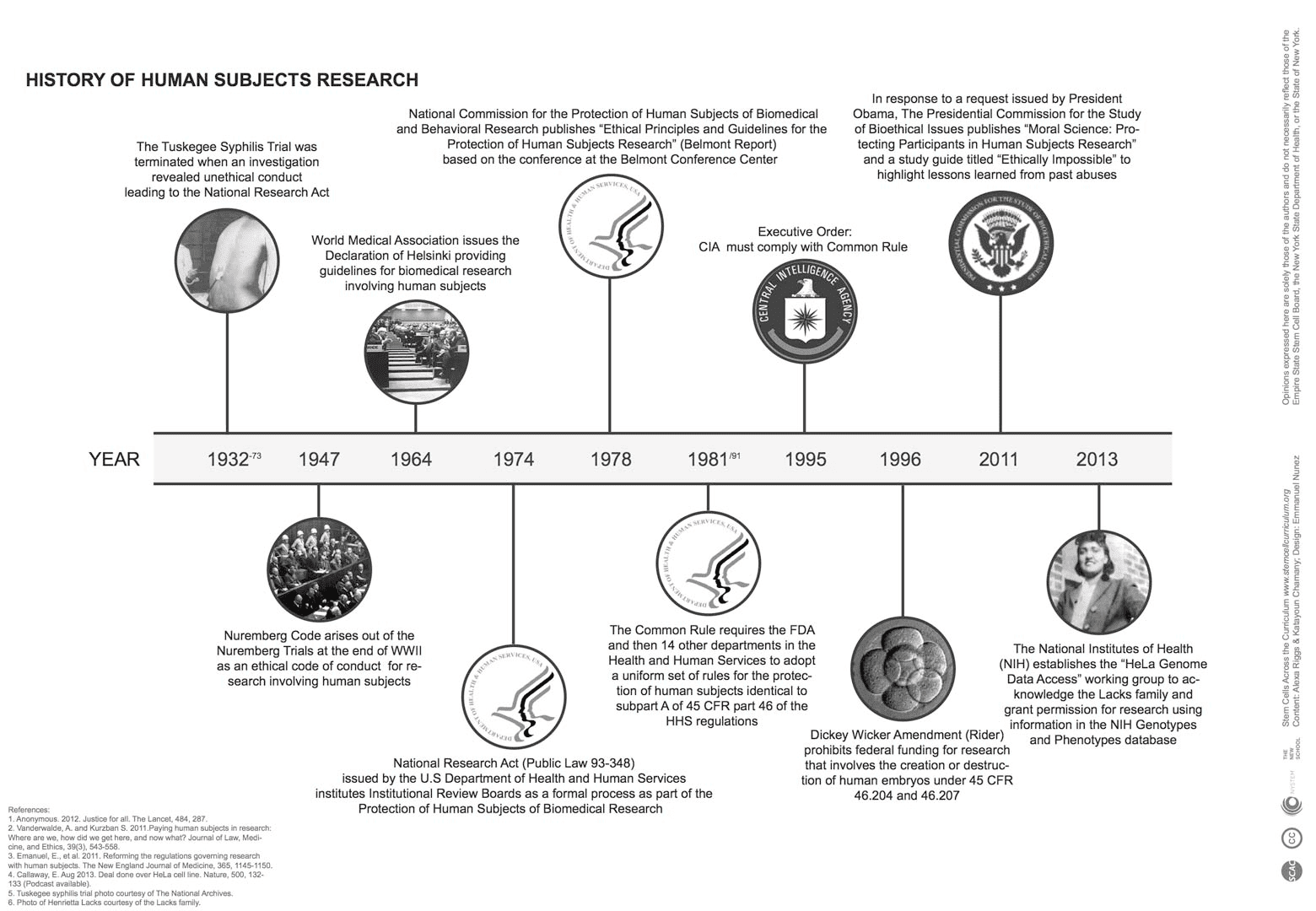
Because it was believed that they represented maladaptation, policies were put in place to limit their ability to reproduce, as they were considered to have genomes that did not confer biological fitness (the ability to survive in the current environment). In later years, more egregious practices were uncovered around the world, and by 1964, the first international effort to devise guidelines for ethical biomedical research using human subjects was issued as the Declaration of Helsinki. Though the declaration clearly stated that human research subjects be informed about the benefits and risks associated with research, and participate voluntarily with free will, it did not consider the downstream ethical issues associated with biological samples obtained from human subjects. The Declaration’s focus on respect for the body as it pertains to personhood and dignity, does little to consider the ownership, compensation, or privacy dimensions of tissues, cells, and blood.
These disembodied pieces of bodies, be they organs, eggs, embryos, genetic sequences, blood components, or cells, continue to present bioethical challenges. Without an international consensus on what can be traded in global markets, used for research, or analyzed as evidence in courts of law, a patchwork of laws pertaining to methods of collection, biobanking, access, experimentation, and patents has emerged. Moreover, without clear ideas about where the connection to the body ends, issues of ownership, permission, and identity are also put into question (Knoppers & Laberge, 1995; The Body and the State, 2011). The case involving deCode and Iceland’s Data Protection Authority illustrates how advances in science and technology can circumvent legal regulations regarding genetic data and further limit access down the road (Kaiser, 2013).
Some argue that this murky situation has led to the emergence of legitimized markets for biomaterial and cell therapies whose access is restricted to particular groups of privilege (Greene, 2006). This is particularly problematic when biomaterial is acquired from persons who continue to be marginalized, or exploited, through a biomedical research model that does not uphold distributive or procedural justice (Nelson, 2011; Chamany, 2011; Chamany, 2015). Distributive justice refers to access to knowledge and therapies produced from biomedical research, while procedural justice refers to participation in the shaping of the direction of biomedical research as a human research subject, policy maker, or scientist. Critics of the biomedical model approach claim that this approach neglects the systemic and/or structural injustice that creates health inequities and by doing so, positions those on the downside of inequities as bioresources, exacerbating their exposure to health risk and reifying their risk status. Thus, a strictly biomedical approach to health inequity will maintain that the people who serve as sites of experimentation, or bodily goods, are the same people that will suffer from lack of access to drugs, technologies, and legal protections that could improve and protect their lives (Shakespeare, 2002; Goodwin, 2007; Washington, 2006; Democracy Now, 2010; Benjamin, 2013; Benjamin, 2014).
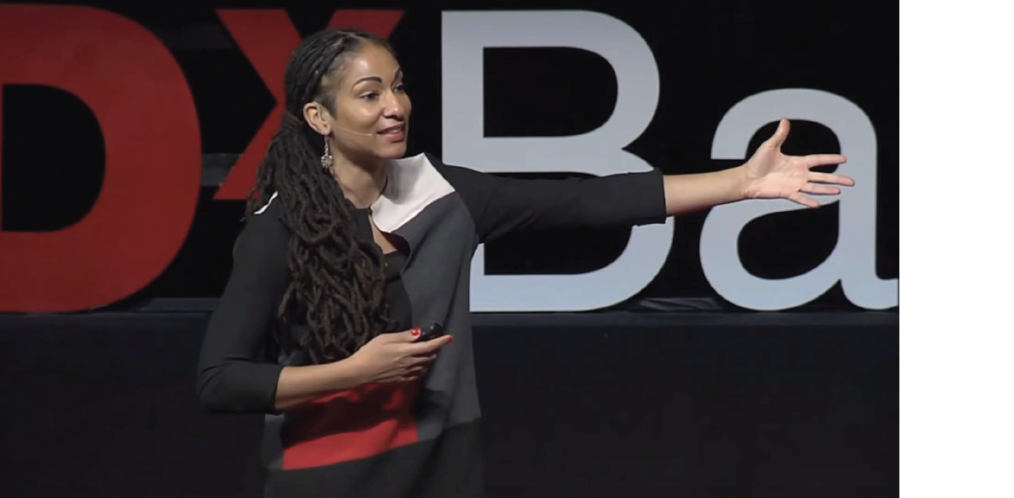
Mark Greene, a bioethicist, returns to the principles of distributive and procedural justice in “To Restore Faith and Trust: Justice and Biological Access to Cellular Therapies.” According to Greene, biomedical therapies should be available to people of all ethnicities and, thus, diversifying the samples in biobanks is of high priority. By including under-represented minorities in the process of biospecimen collection (procedural justice through representation), the biobank can serve as a resource for medical therapies for this population (distributive justice through access). Greene offers a proposal for an ethnically weighted biobank created through additional public funding to support the health of under-represented minorities that can serve as a practical public expression of apology for past discrimination in health research (Greene, 2006). Seema Mohapatra and Michelle Goodwin, who specialize in health law, also propose plans using incentives to encourage donations to biobanks (Mohapatra, 2013; Goodwin, 2007; Trotter, 2006). Their proposals are designed to address the lack of diversity in these banks, which reduce the chances of immunological matching of blood transplants that would disproportionately impact specific communities. Additionally, Goodwin presents these proposals as an alternative to existing unregulated markets for bodily goods (Goodwin, 2007). Widdows and Cordell remind researchers that they must recognize the unique nature of each community and the goods that they provide. They warn researchers that to view community as a monolithic entity can lead to dangerous and unethical practices and a sense of distrust (Widdows & Cordell, 2011). To provide guidance and expertise to communities and individuals that provide vital information and biological resources to these growing large- scale datasets, David and Richard Winikoff have proposed a “Charitable Trust Model” which is being adapted by some states and countries (Winikoff & Winikoff, 2003). In this model the community and individuals within it, are expected to be dynamically involved in a tiered informed consent process and can influence the direction of research directly.
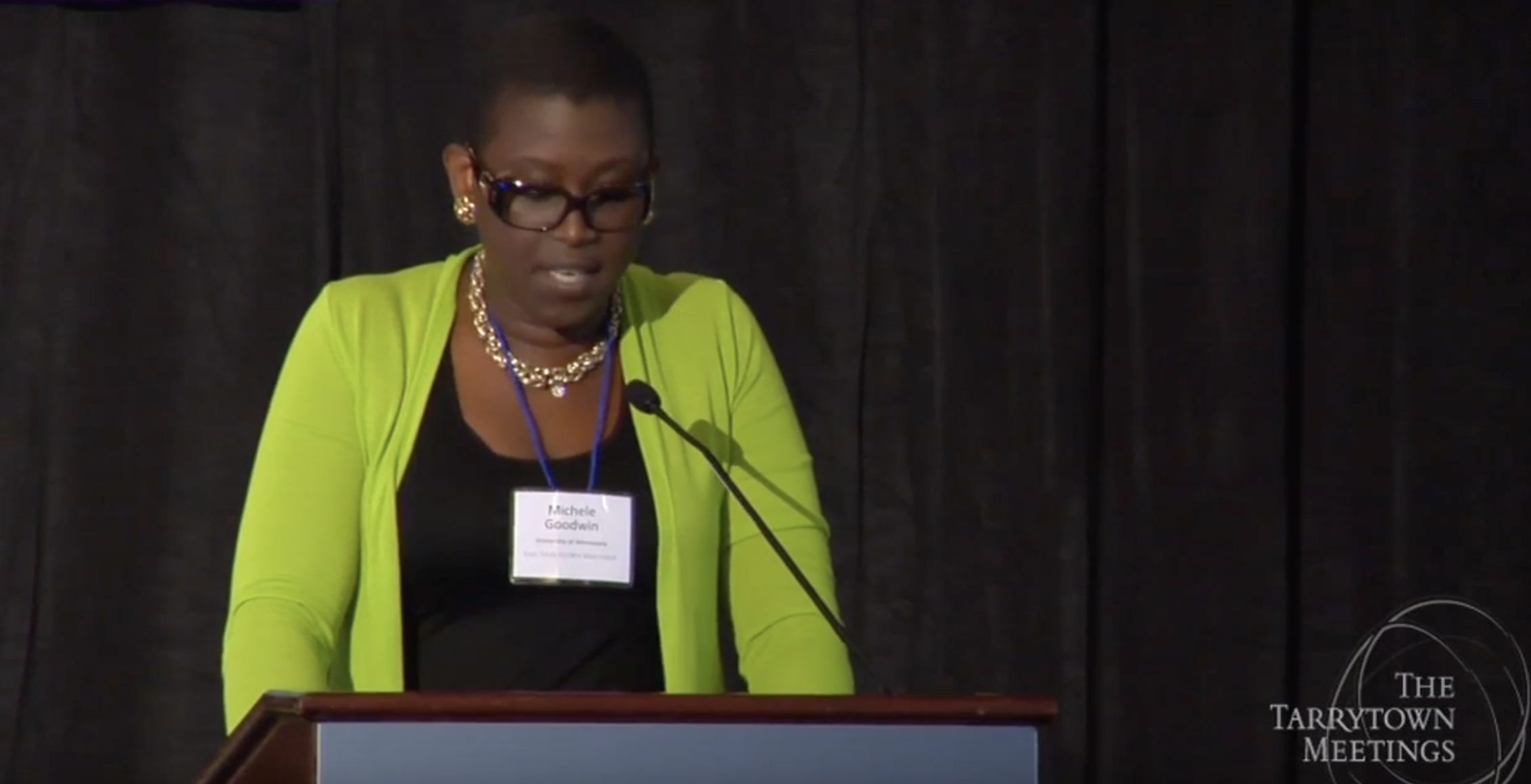
As biomedical research continues to advance, society needs to address issues of social justice within the context of differing value systems, and question models that support economic capital at the expense of social capital (Shanks, 2010b; Ikemoto, 2009).
A review in The Scientist highlights the lack of public discourse surrounding issues of biobanking as it relates to ownership, compensation, and privacy (Fahy & Nisbet, 2013). The authors, bioethicists who analyzed social media related to the publication of Rebecca Skloot’s book The Immortal Life of Henrietta Lacks, report that most discussions centered on informed consent. Although the informed consent process is designed to educate research participants about health risks and potential benefits associated with a research study, the expansive nature of biomaterial collection in a clinical setting introduces other ethical concerns such as privacy, ownership, compensation, and acknowledgement of contributions (Fahy & Nisbet, 2013; Ehrlich, 1997; Perriello, 2010; McLaughlin, 2010; HeLa Primer PPT Slide 10: Congressional Records).
Slide Show (49 slides): McLaughlin, T. May 31, 2010. An Epitaph, At Last. SoVaNow.com. Link
Missing citation
This focus on informed consent is central to the film adaptation of Skloot’s book produced by Oprah Winfrey and broadcast on HBO. In line with Fahy and Nisbet’s earlier analysis of public discourse, those who attended film screenings questioned the lack of consent, but also extended the conversation to issues of identification and acknowledgement. This was particularly true for those who walked away from the film or the book believing that biomedical researchers were stealing tissues and samples only from African Americans (Personal Communication, April 24, 2017).
The collection of tissues and cells inevitably means that DNA is also collected, the latter of which can be used to identify the origin of the material. When Lars Steinmetz and colleagues at the European Molecular Biology Laboratory in Heidelberg Germany published the genomic sequence of the HeLa cell line online for the first time, some in the scientific community raised concerns about privacy because permission to publish the sequence was not secured from the Lacks family (Brainard 2013; Callaway, 2013a; Skloot, 2013; Hudson and Collins, 2013).
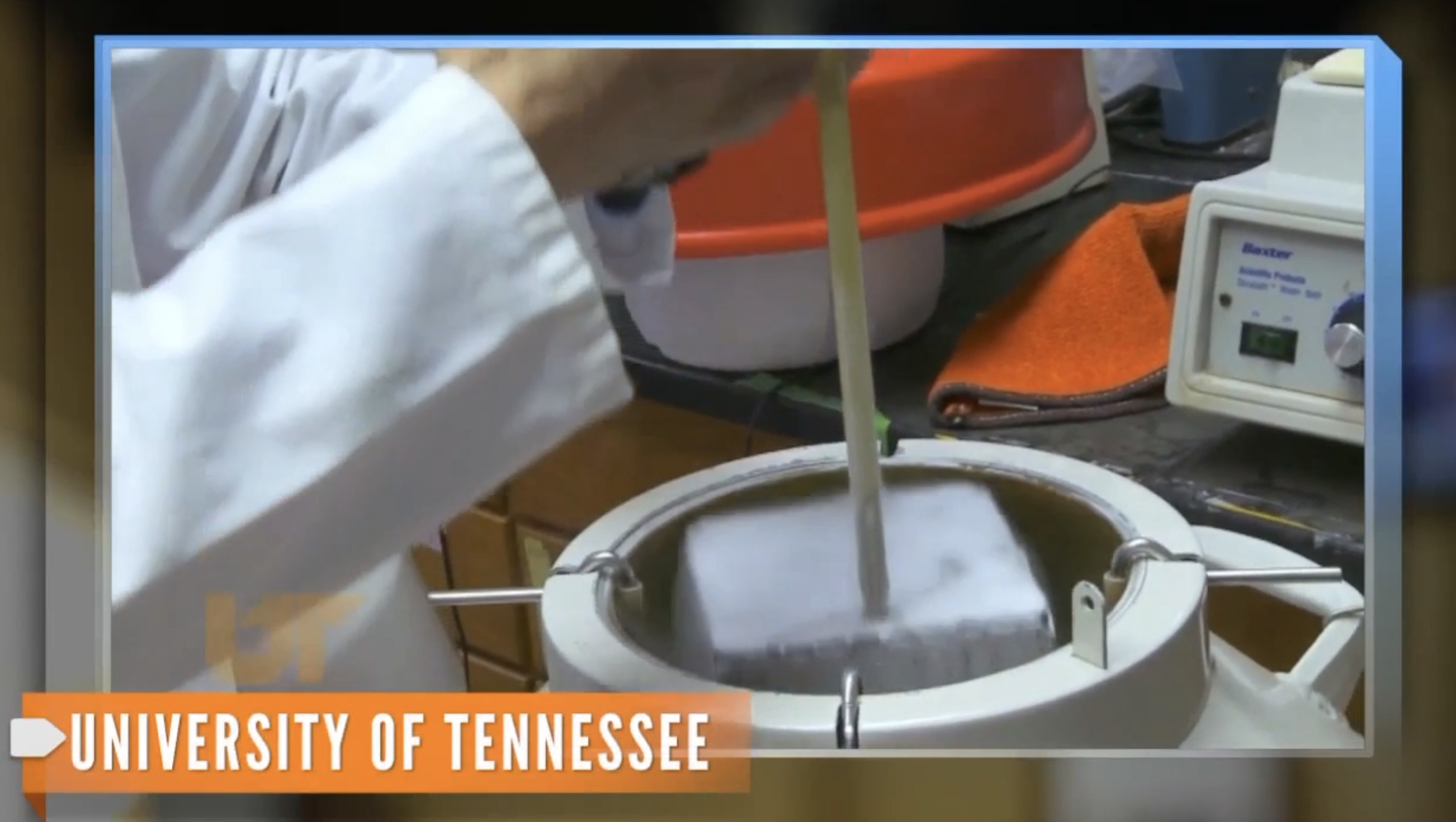
Following publication of this genomic sequence, two researchers were able to identify the source of the cell line using information from recreational genealogy databases. This alarming chain of events highlights the need not only for informed consent, but also, de-identifying mechanisms that protect the identities of donors and biospecimen providers (Hayden, 2013a; Hayden, 2013b). In 2013, as another research team prepared to release more data on the HeLa genome, Francis Collins, director of the NIH, saw an opportunity to involve the Lacks family in shaping the protocols for scientific access to genomic data entered into the Genotypes and Phenotypes Database on a case-by-case basis (Callaway, 2013b). That two members of the Lacks family now participate as members on the “HeLa Genome Data Access” working group may be viewed by some as a move in the right direction, but there are concerns that this sort of personal gate-keeping may prove challenging (Chamany, 2015). This approach is in stark contrast to prior decisions made by institutional review boards (IRBs) that dissuaded clinicians from placing research directives in the hands of patients or providing acknowledgement or compensation to their family members (Troug et al., 2012).
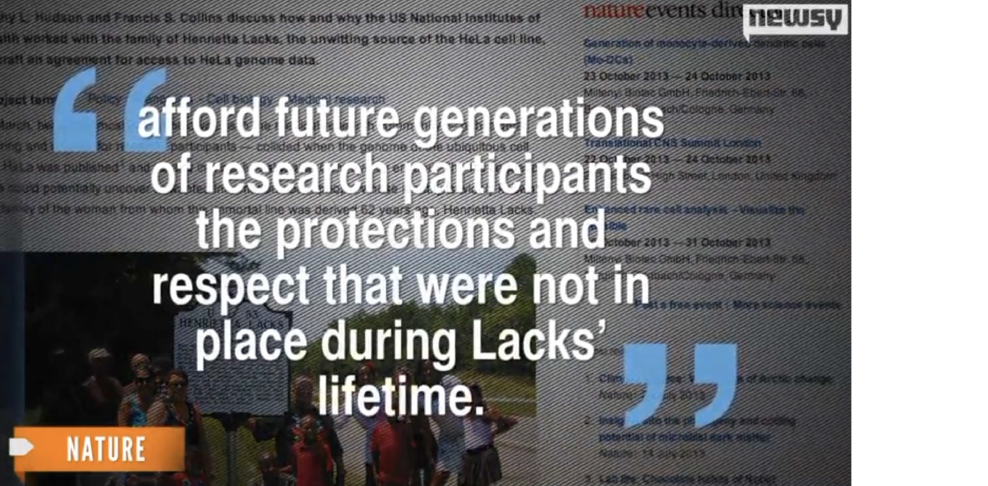
In line with this shift in shared responsibility to negotiate privacy, ownership, and compensation related to biospecimens, proposals to improve current regulations and practices regarding human subjects have emerged (See section on What Policies Are in Place for Regulating Research with Human Subjects?). The International Society for Stem Cell Research (ISSCR) Registry of Human Embryonic Stem Cell Lines Provenance and the US National Stem Cell Registry address the ethical provenance of stem cell lines excluding cell lines that are not in compliance with contemporary rules and guidelines regarding biospecimen procurement (Knoppers & Isasai, 2010); Wadman, 2013). The authors of Achieving Justice in Genomic Translation: Re-Thinking the Pathway to Benefit evoke a responsive justice framework to call on researchers to take greater responsibility in protecting subjects and communities, specifically addressing redistribution and recognition with respect to underserved communities (Burke, et al. 2011; page 3-20 in Google Books). Some of these approaches mimic the benefit-sharing models created by the biotechnology and pharmaceutical sectors to secure indigenous knowledge and bioresources that are mined for the development of novel drugs. However, few of these benefit-sharing models are seen as sustainable or just, as reviewed by Harry and Kanehe in their chapter “The B.S. in Access and Benefit Ssharing” published by the Edmonds Institute and Corey Hayden’s book titled When Nature Goes Public (Harry and Kanehe, 2005; Hayden, 2003).
Most of the criticism regarding benefit-sharing agreements arises from unequal power relations regarding memoranda of understanding (MOUs), because one party lacks the language and procedural knowledge to negotiate for benefits within a legal, biotechnological, or business framework. In the case of the HeLa cell line and the publication of genomic data, questions regarding compensation to the family were addressed by the Supreme Court case dismissing patents on naturally occurring genes, with the language being narrowly constrained around DNA sequences (Zimmer, 2013; Callaway, 2013b; Hudson and Collins, 2013). What was perhaps not made clear to the family is the ways in which this court decision leaves open the possibility of continued commercialization of products informed by these data as they could be based on RNA, chimeric proteins, or other inventions that are dependent on those DNA sequences but, remain patentable. It is also not entirely clear whether the HeLa genome would be considered something occurring in nature because genomic analyses reveal that the cell line has extensive chromosome shattering not seen in nature, but most likely induced by lab culture conditions (Landry et al. 2013).
For a deeper analysis of the ways in which the collection, use, banking, and marketing of human tissue and blood have become points of conflict, we can turn to a number of critical race theory, feminist, disability, and social justice scholars and activists. They highlight the ways in which a narrow focus on biomedicine and profit has both eclipsed the social model approach to health and wellness and exacerbated existing health inequities. Collectively, they use an intersectionality framework, namely a theoretical framework positing that multiple social categories (e.g. race, ethnicity, gender, sexual orientation, ability, socioeconomic status) intersect at the micro-level of individual experience, to reflect multiple interlocking systems of privilege and oppression at the macro, social-structural level (e.g. racism, sexism, heterosexism, ableism). (Bowleg, 2012, HeLa Primer PPT Slide 11: Women and Minorities).
Rebecca Skloot’s book The Immortal Life of Henrietta Lacks demonstrates how biology and social justice were intimately intertwined in establishing and marketing the HeLa cell line (Skloot, 2010). Her focus in the book is on distributive justice, with respect to who benefits from the applications of research, and who is marginalized by biomedical research policy because of shifting societal values and inequities with respect to race, class, ability, and gender. Although the book has exposed an important narrative regarding Henrietta Lacks, it is but one narrative. As Rebecca Kumar, a first-year college writing instructor, points out in her open letter to other colleges and universities, to use this book without incorporating a deeper analysis of intersectionality and alternate narratives is problematic (Kumar, 2012). She urges her colleagues to expand the class discussion to include larger views into systemic oppression and injustice. President Obama issued a similar statement with respect to the case of Trayvon Martin, the young African-American killed in 2013 due to racial profiling by a civilian. In a national address he stated, “I think it’s important to recognize that the African-American community is looking at this issue through a set of experiences and a history that doesn’t go away.” (Obama, 2013). His comments are in response to the 2005 “Stand Your Ground” law in Florida that permits legal possession and use of a gun in self-defense, at a time when the nation continues to struggle with racial discrimination. Though the Trayvon case is not a biomedical one, it highlights the ongoing lack of inclusion of racial minorities in procedural justice with respect to construction of guidelines and laws (Rucker and Eilperin, 2013).
Ruha Benjamin’s book People’s Science: Bodies and Rights on The Stem Cell Frontier specifically addresses procedural justice with respect to who participates in life science research, either at the lab bench or as a research subject, policy maker, activist, or lobbyist (Benjamin, 2013b). Her case analysis centers on the political process behind the establishment of the California Institute of Regenerative Medicine (CIRM) and reveals the complex network of stakeholders behind this initiative. She challenges the notion that health inequity is the by-product of a competitive edge, and ends the book with a proposal for a more equitable way forward that simultaneously promotes biomedical innovation and equity.
Other resources that address health inequities in biomedical research and provide a trajectory for how racial minorities were often used as research subjects in biomedicine, or excluded from health services, include: Michele Goodwin’s 2013 book Regulating Contestable Commodities in the Global Body Market: Altruism’s Limits; Dorothy Roberts’ 2011 book Fatal Invention: How Science, Politics, and Big Business Re-create Race in the Twenty-first Century; Alondra Nelson’s 2011 book Body and Soul: The Black Panther Party and the Fight Against Medical Discrimination; Harriet Washington’s 2008 book Medical Apartheid The Dark History of Medical Experimentation on Black Americans from Colonial Times to the Present; Miguel Melendez’s Chapter “The Hijack” in his book We Took the Streets: Fighting for Latino Rights with the Young Lords, which describes the movement to expand access to TB screening for Latinos living in East Harlem; Ana Maria Garcia’s documentary film “La Operación”, which reviews female sterilization practices in Puerto Rico in the context of reproductive justice; the Case Study on the Tuskegee Syphilis Trial by Fourtner et al.; and Charnell Covert’s 2012 theatrical work “Healing”, in which one of four case analyses is centered on Henrietta Lacks.
Although these are contemporary works, they follow an earlier definition of health proposed by Georges Canguilhem in his book The Normal and the Pathological (Canguilhem, 1945). Canguilhem recognized that health is dynamic and varies depending on the circumstances of the individual and community. He argued that health care requires a working relationship between health providers and individuals in which autonomy is in the hands of the individual. It follows that, if individuals are marginalized and excluded from processes that influence the direction and practices of biomedical research, this will have a negative impact on their circumstances. Lack of access to health care, stress associated with poverty, and discrimination based on ability, race, class, gender, and sexual orientation can all serve as environmental factors that remodel the biology of these individuals. Recent studies in the field of epigenetics suggest that, as a result of these environmental accosts, entire communities may live with elevated levels of chronic metabolic disease, cancer, and neurological pathology. (Radley, et al., 2011; Bollati, et al., 2010; Oberlander, et al., 2008; Thayer & Kuzawa, 2011; Seppa, 2015).
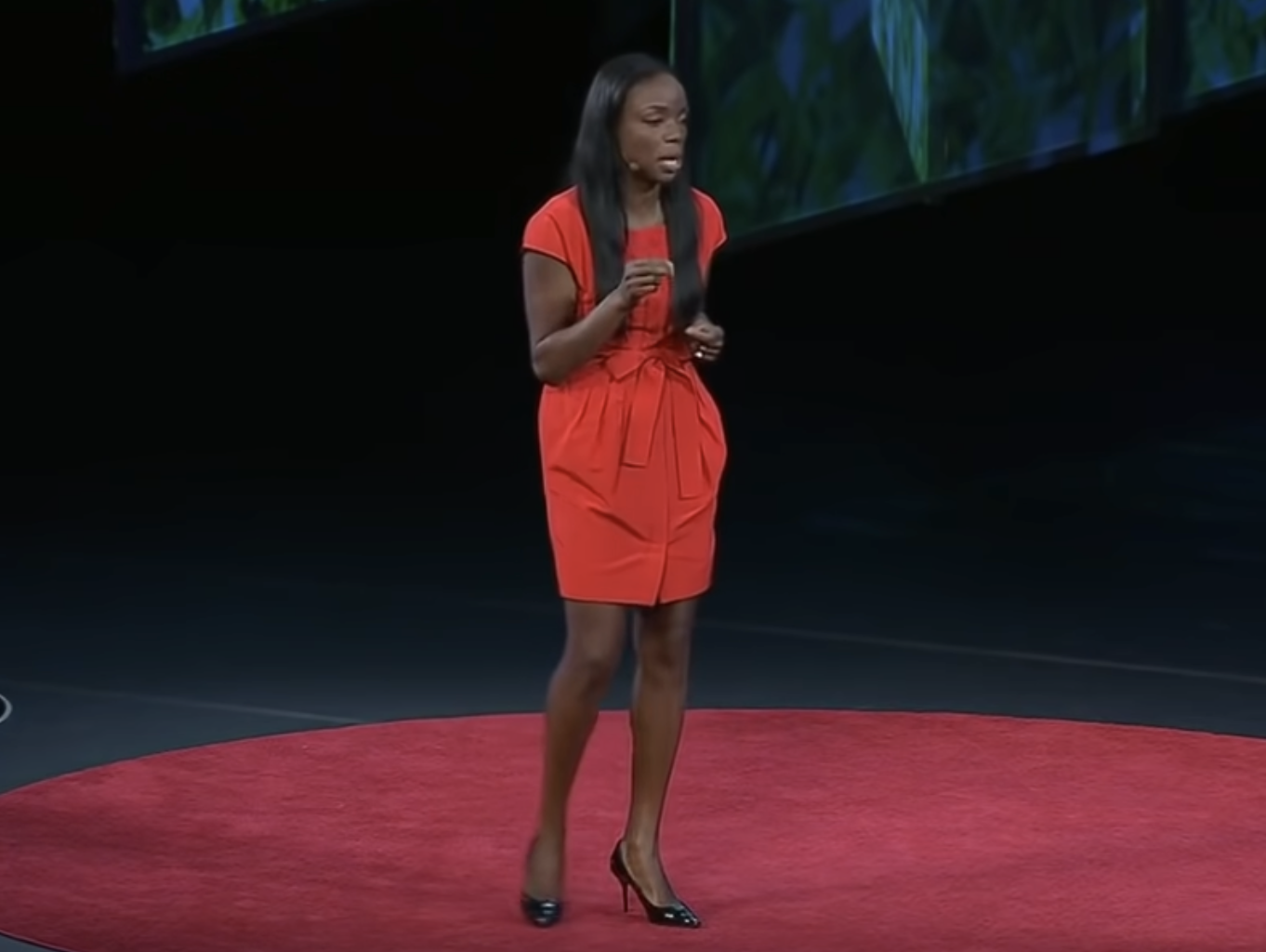
It is precisely these states of disease and disability that the field of stem cell research seeks to address. Stem cell transplants have been administered since the 1950s to treat blood-related disorders such as sickle cell anemia and leukemia. More recently, stem cell biology has moved beyond transplantation to providing vital information about how our bodies interact and adapt to changing environmental conditions. By studying human cells in a laboratory environment, researchers create a model for screening novel drugs to address the negative health outcomes of adverse circumstances. Additionally, researchers can conduct experiments that reveal which environmental factors result in cell toxicity, and thereby inform environmental health policies that would avoid these circumstances altogether. Lastly, by creating cell cultures that represent the diversity of the human population, researchers can compare cell behaviors from individuals living in varying social conditions, lending biological data to support the social model of health.
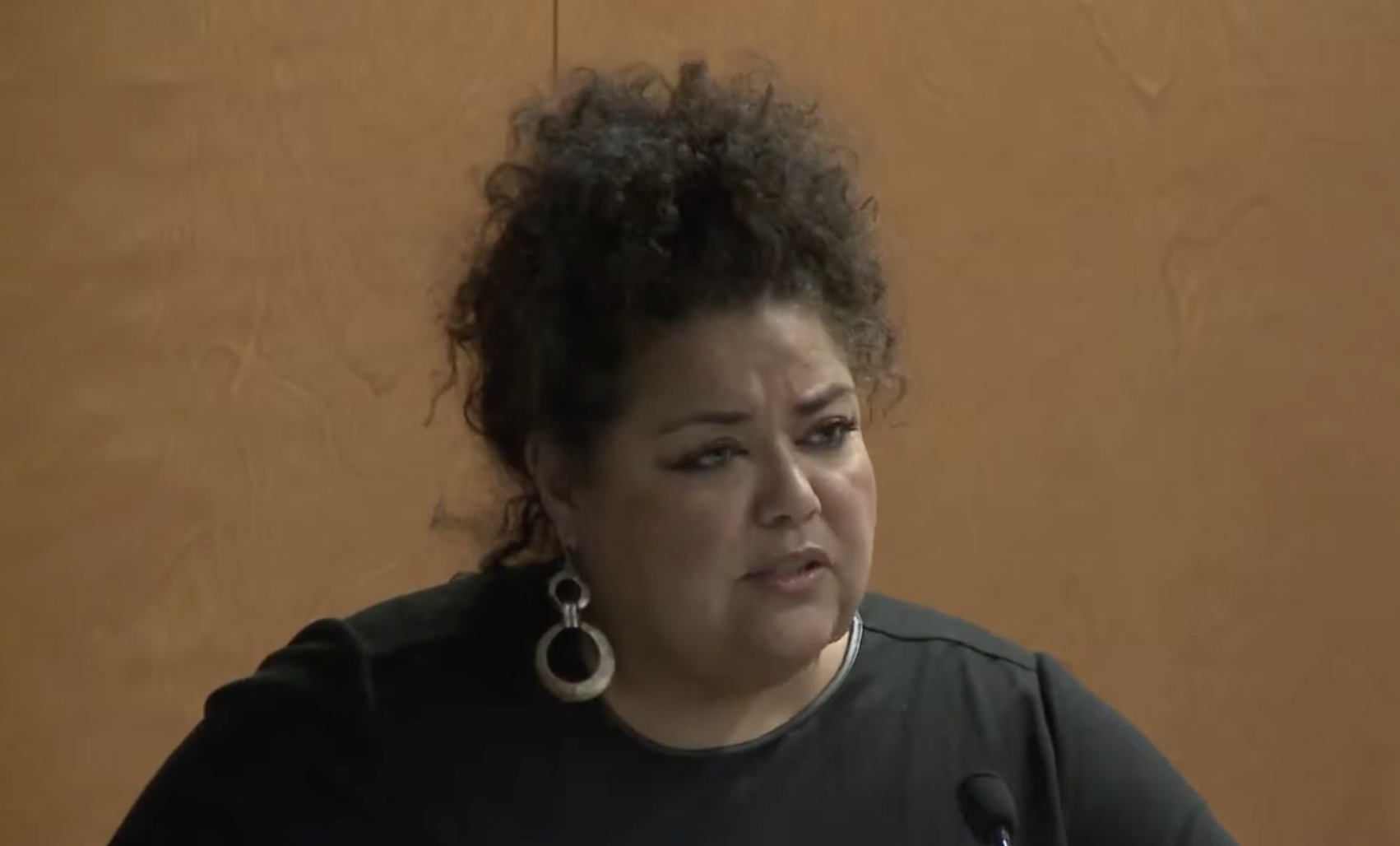
In the short presentation below, Elizabeth Yeampierre, of the community-based environmental justice non-profit UPROSE, emphasizes the need for researchers to be mindful of the health and environmental injustice that has its origins in colonization, oppression, and slavery. This presentation was one of many hosted by the NIH Workshop to Explore the Ethical, Legal, and Social Implications (ELSI) of Citizen Science, designed to inform the US Privacy and Trust Principles that accompany the changes to the Common Rule regulating the use of human research subjects and biospecimens.
Created : October 9, 2023