10. "Altruistic" Donations for Profit or Unintended Use?
Even in situations where human tissue, cells, or DNA are donated, ethical issues of control over their use whether for research, or profit, are increasingly placing pressure on the “informed consent” process. In many cases the donor is completely unaware of how their tissues or DNA may be used. This is best illustrated in the case of the Havasupai Native American DNA study. The Havasupai reside on a reservation in the state of Arizona, and experience disproportionate rates of diabetes and other metabolic disorders. Many of their health challenges are thought to arise from policies regarding water and land use on the reservation that have negative consequences for the Havasupai diet and physical activity. Although the Havasupai “donated” their DNA samples, they did so with the express interest of learning more about the community’s propensity toward diabetes, making the donation part of an exchange of valued goods.
DNA Biobanking: Havasupai v. University of Arizona
Not only did the Havasupai gain no new genetic knowledge regarding diabetes from these investigations, Havasupai DNA from ancestral remains became the subject of extensive genome-wide analyses, for which the community did not provide informed consent. These analyses included searching for DNA identifiers characteristic of schizophrenia and studying human evolution, which called into question their cultural knowledge surrounding lineage, identity, and neurodiversity (Couzin-Frankel, 2010). The case of the Havasupai highlights the ethically fraught nature of biobanking, where samples can be used to study a variety of questions, not all of which were presented during the informed consent process. Settlement of the Havasupai v. Arizona State University lawsuit demonstrates the need for more standardized protocols surrounding informed consent as it relates to genomic data and the disembodied person (Ossario, 2011). However, as some warn, this issue goes beyond legislative procedures and requires cultural competence and acknowledgement of variance in world views; even if research subjects are fully aware of the research goal, they may not agree that the research questions hold value and there may be downstream effects of “informational harm” (Shanks, 2010a). Playwright Debra Laufer, a Sloan Fellow, showcased the specific case of the Havusapai and the lack of cultural competence, in her play “Informed Consent,” which debuted in 2015 (Gawlak, 2015).
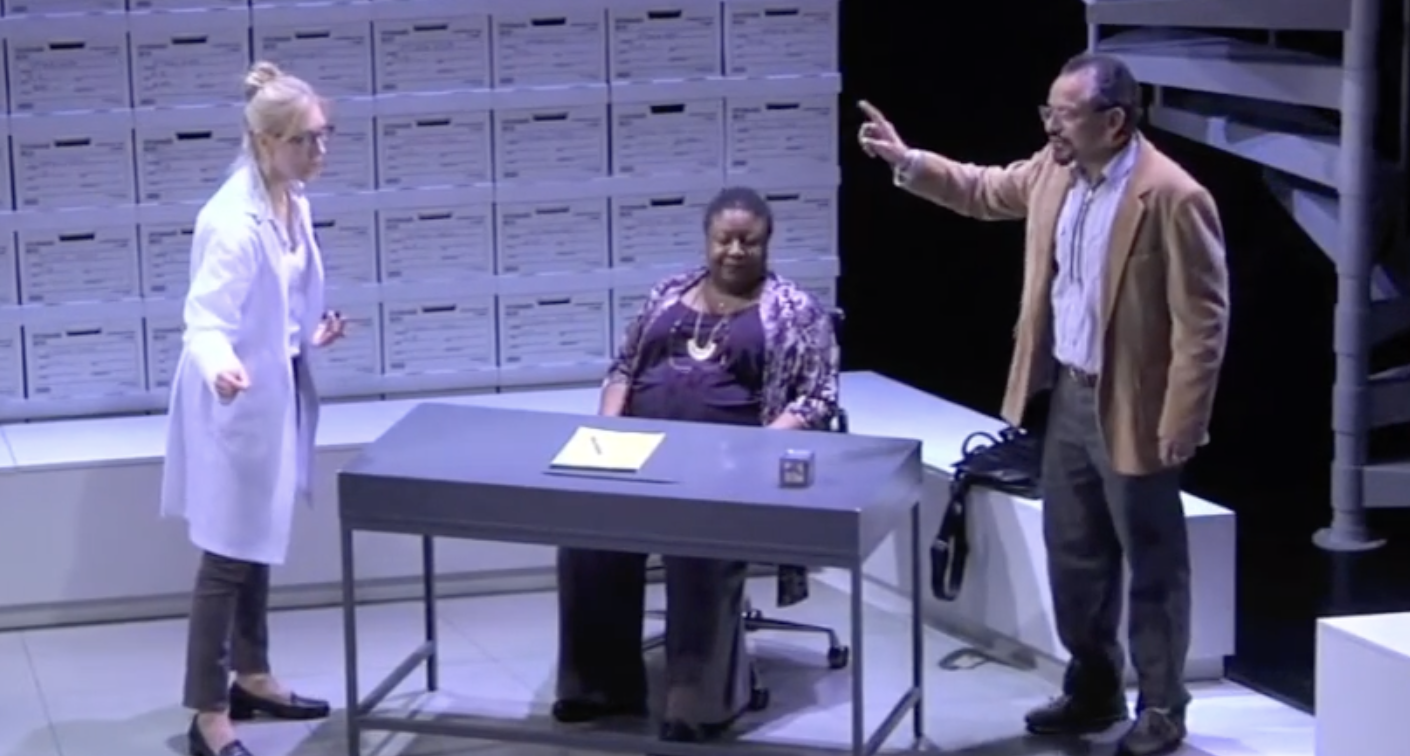
Video: Laufer, D. 2015. Informed Consent Highlights. (4:34min) Link
Video:Thirteen/Education Broadcasting Corporation (Producer.) June 25, 2010. Religion & Ethics Weekly: Informed Consent and Medical Research. (7:22 min) Link
To identify research questions of shared value, many researchers are now adopting the participant action research (PAR) model, in which human research subjects act as active participants in the research endeavor, shaping its direction and overseeing how information is shared with both the community being studied and those outside the community. This approach involves building trust and networks of stakeholders who can develop a common language and an authentic benefit-sharing model. Most importantly, community members will contribute valuable knowledge and experience and drive the research questions. In this way, the added value is more transparent, as can be seen in the shift of research questions from identifying gene variants for vulnerability to metabolic disease to lifestyle practices that protect individuals from developing these conditions (Garrison, 2013; Lehrman, 2013). The importance of this shift in approach is highlighted in the Presidential Address of the American Society of Human Genetics titled “Culture: The Silent Language Geneticists Must Learn—Genetic Research with Indigenous Populations” (McInnes, 2010).
To further these efforts, many research initiatives actively recruit bioethicists and social science scholars as members of research teams, to ensure inclusivity of all stakeholders and promote an accountability that speaks to all stakeholders. The Translational Genomics Research Institute (TGen), a non-profit company, has incorporated policy experts to oversee community outreach and legislative affairs and involved the community in every step of the research, which led to a $5 million contribution from the Salt Water River Pima-Maricopa Indian Community. Nanibaa Garrison, a trained Navajo geneticist who completed a post-doctoral fellowship at Stanford’s Center for Biomedical Ethics, authored a paper on the Havasupai case that examines the role of IRBs and the responsibility of the NIH for federally funded research (Garrison, 2013). The Stanford center is one of six NIH-funded Centers for Integration of Research on Genetics and Ethics (CIRGE). Garrison is a contributing author of the online resource “Genetics Resource Center,” which was developed by the National Congress of American Indians to educate communities about genomic research and issues of privacy and ownership and provide model informed consent templates as well as an interactive decision guide (Lehrman, 2013).
Precision Medicine Initiative
The use of the PAR model will be tested with the launch of the US Precision Medicine Initiative (PMI), designed to amass the data of a million volunteers in an effort to advance research and support public health (CURE, 2015; Reardon, 2015). As individuals are increasingly asked to participate in such projects, patient autonomy within the practice of informed consent is evolving.
Early on in biomedical and genomics research, the risks and benefits presented as part of the informed consent process were confined to health side effects and therapeutic outcomes. More recently, with the advent of advances in biotechnology, supercomputing, and the construction of large-scale data sets, risk and benefit take on new meaning. In a country that is struggling to address national healthcare within the context of racial and economic inequities, analyses of risk and benefit must expand beyond traditional definitions. This is especially true as biomedical research has become increasingly dependent on human bodies, cells, tissues, and DNA.
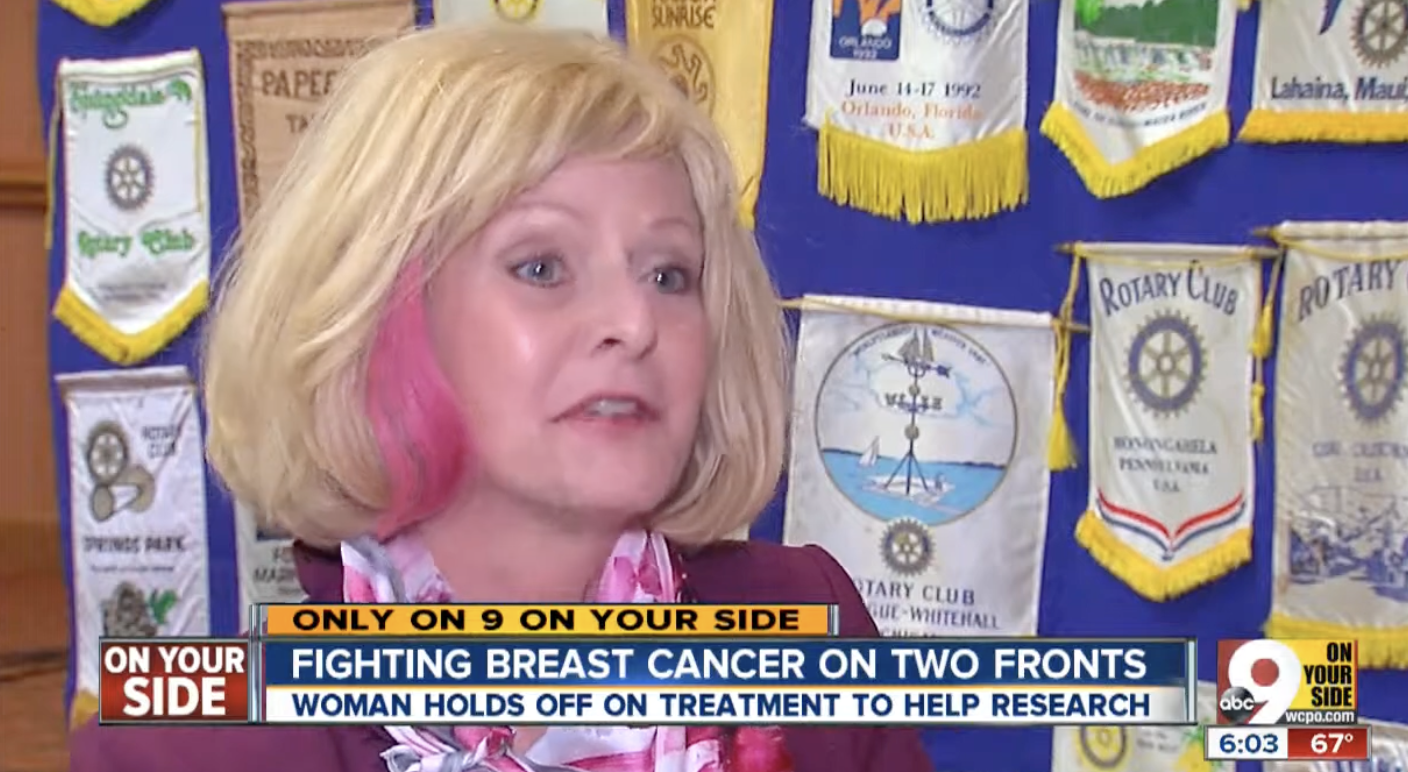
Video: Oct 15, 2015. Kimberly Koss: Medical Researcher Advances Critical Research by Letting Her Own Cancer Grow.WCPO.com Youtube.(2:18 min) Link
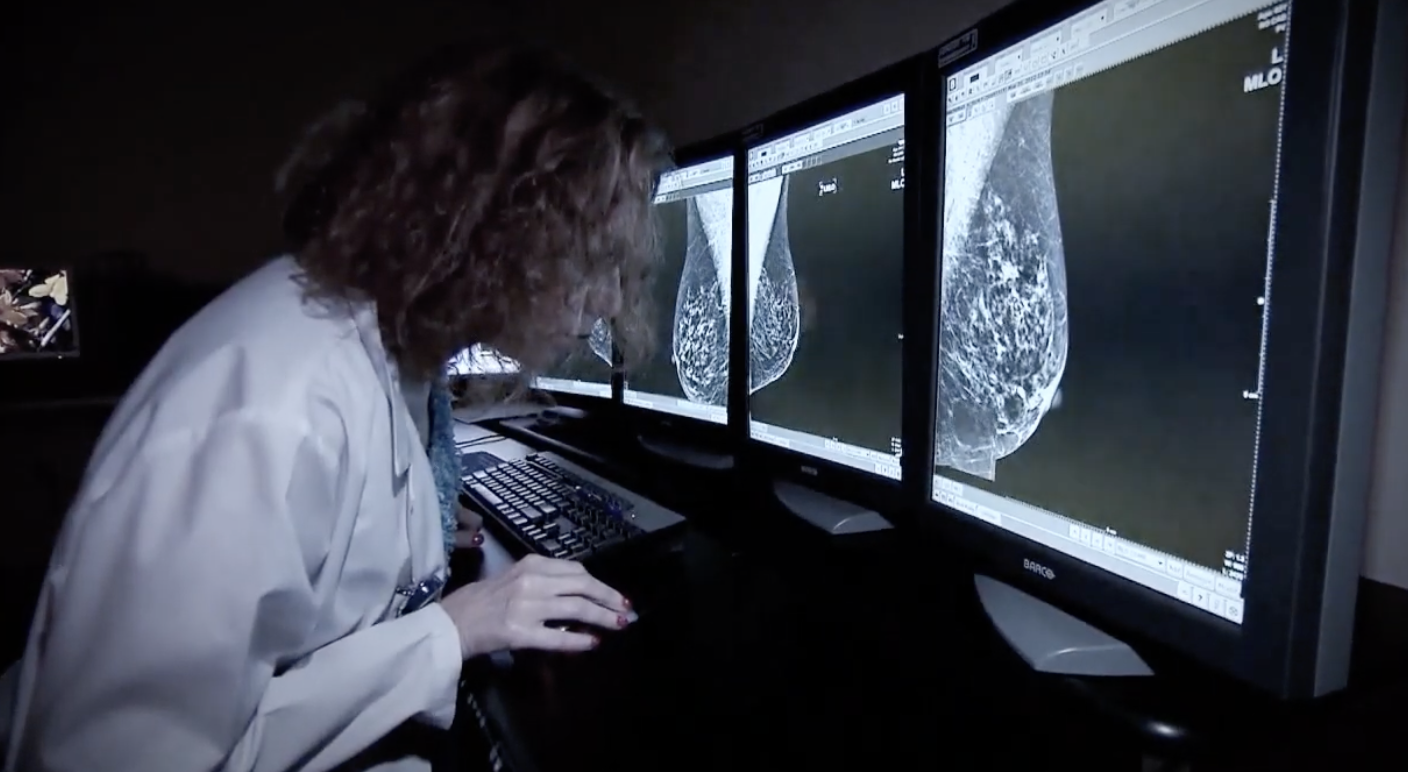
Video:March 14, 2016. Dr. Kimberly Koss- Koss National Triple Negative Breast Cancer Research Foundation. (4:017 min). Link
An interesting example that is built on the history of the HeLa cell line is the story of Kimberly Koss. Koss is not a typical cell donor. She is a biomedical scientist who willingly chose to donate her breast cancer cells to research. Koss has a particularly aggressive type of cancer (triple negative for estrogen, progesterone, and HER-2 receptors) that disproportionately affects African American women. Koss even refused chemotherapy in an effort to keep the cells alive for culture. For Koss, this sacrifice and donation will not bring about personal benefit, but rather her altruistic actions could result in a benefit to society. Her ability to do so, is based on a deep trust and relationship with the researcher and community more broadly, a position that most in the public do not have (Loyola University Health System, 2014).
Today, healthy volunteers in clinical trials can gain financial benefit in the form of payment or compensation; contributors of genetic information must consider privacy and discrimination risk associated with release of genetic information; and patients must be aware of profits made from research on biospecimens collected as part of diagnosis, therapy, or altruistic donation. This is particularly true as the PMI intends to collect lifestyle and social information alongside genomic data.
Similarly, private genomics companies like 23andMe and research studies using Apple’s Researchkit will be collecting data that can be used in both biomedical and social science research, and will be most useful when these data are used together to address epigenetic influences on health (Duhaime-Ross, 2015; Bushley, 2015; Servick, 2015; Grady et al., 2017). That biological data falls under the Common Rule, while environmental (built, social, and natural) data does not, seems counterintuitive to the goals of these interdisciplinary projects (Hudson & Collins, 2015). Interestingly many realize that in order to achieve the statistical power necessary for genome associate studies, large amounts of data must be collected from healthy individuals, who are not part of the clinical trial process. A new nonprofit, social benefit organization “Unpatient” proposes a technological solution that allows biomedical data to be shared and traded as property at a very granular level, but that retains the privacy and security necessary for human dignity and in compliance with existing regulations (Kish and Topal, 2015).
Cord Blood International Markets
Moreover, with biobanking, the line between the public and private sector is becoming blurred and the role of informed consent is morphing from a form of ethical oversight to an organizational decision making tool or commercial contract (Hoeyer, 2008; Ikemoto, 2009). This can be seen most noticeably in international trade for umbilical cord blood units. A growing market for cord blood has emerged with as much as 40% of all publicly banked cord blood units being traded across country borders. The biocapital being generated is not insignificant, with some units trading for as much as $30K per unit, resulting in a $30million industry (Dickenson, 2013). The high cost is the result of some communities possessing low genetic diversity, such that those of mixed ethnic background find it more difficult to find an immunological match in existing national banks. Thus, the public banks trade among themselves to address this gap and, in some cases, have developed an export business to provide products for particular minorities. This export business not only serves an underserved population with goods, it provides a steady income to support the expenses of maintaining a public cord bank more generally (Dickenson, 2013).
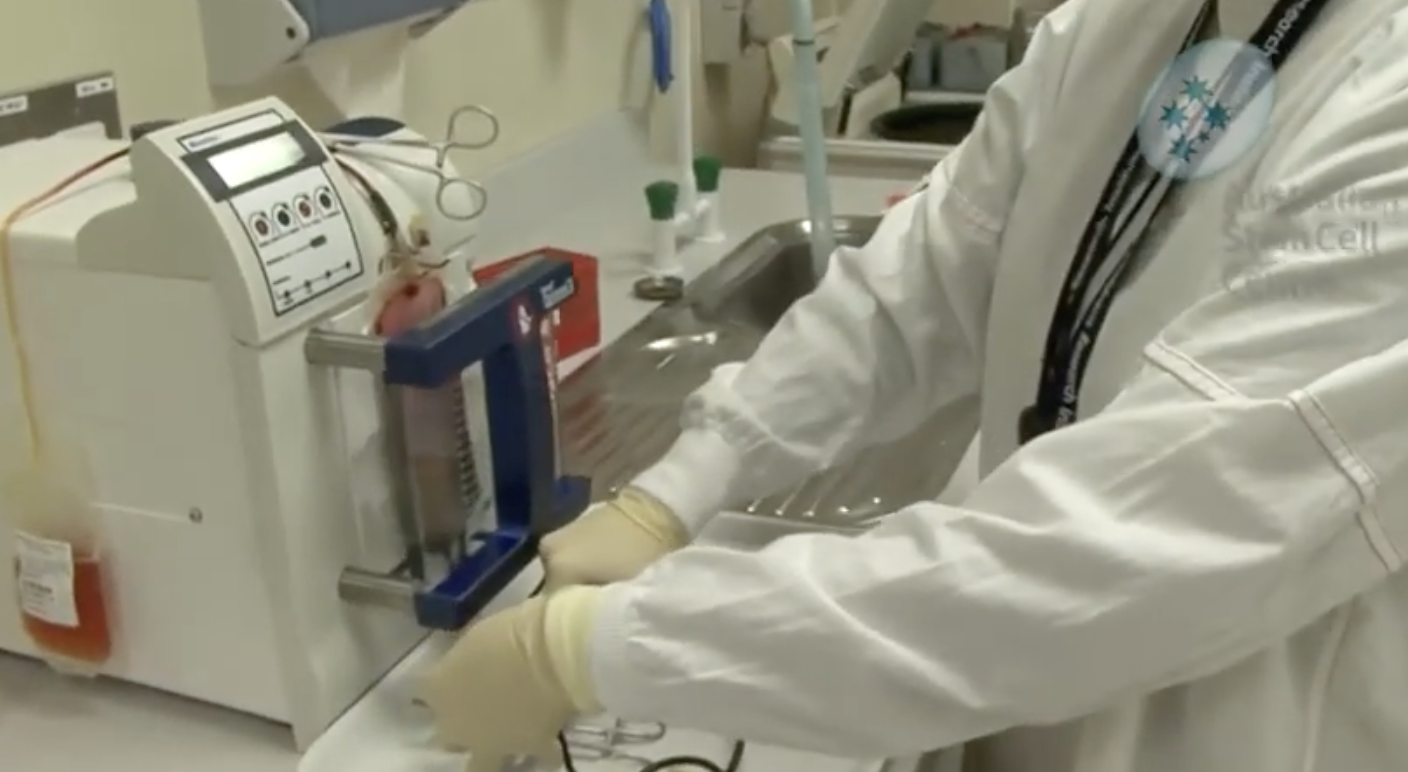
Video :Cord Blood: Banking and Uses. StemCellChannel.National Stem Cell Foundation of Australia. (7 min). Link
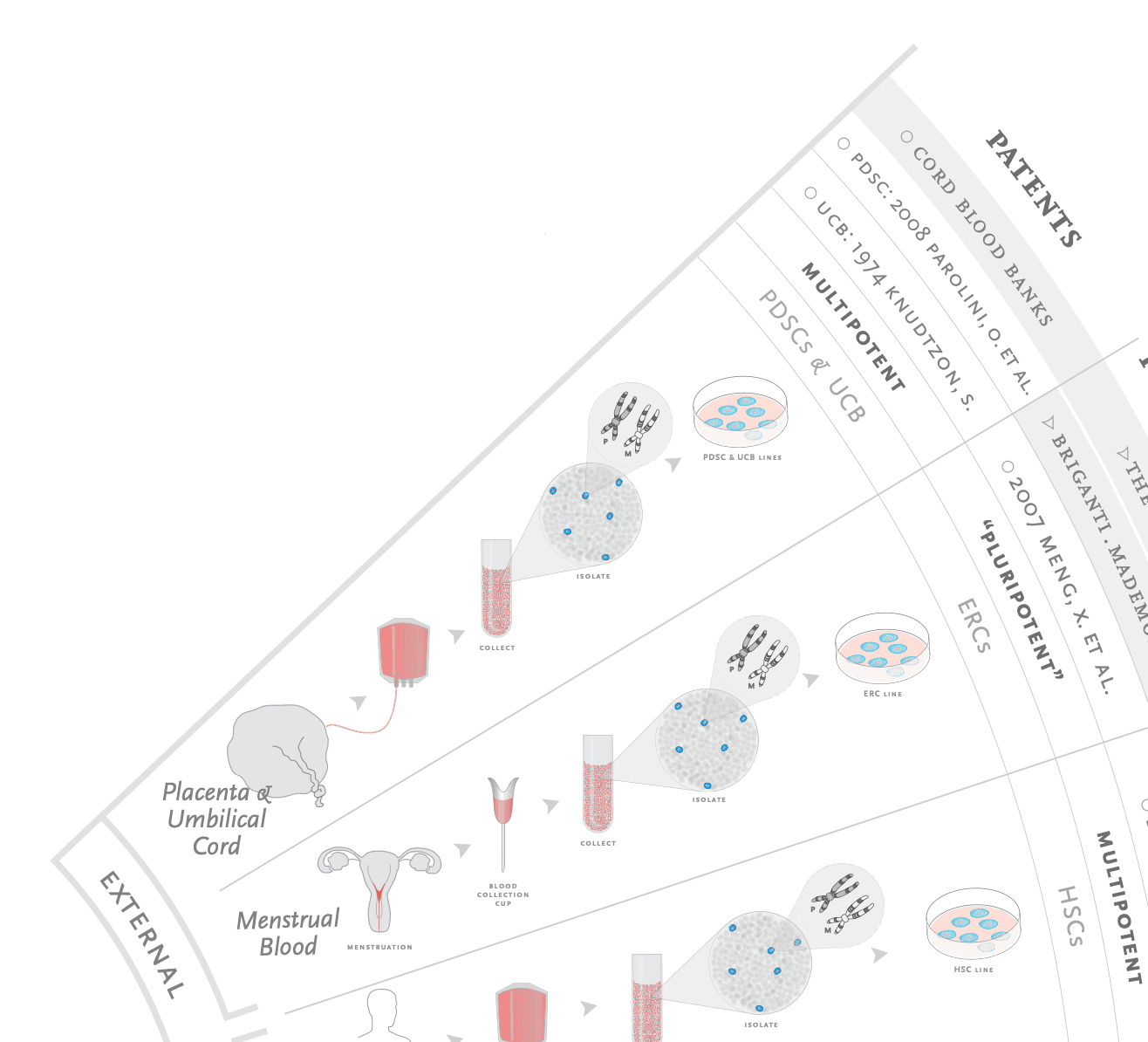
Adult.Adult Cell Source. Blood Stem Cells.
Though many individuals are volunteering to donate umbilical cord blood, many private companies offer banking services that restrict access to family members. These companies charge approximately $1500 for collection and annual fees approximating $150 for storage. The standards for cord blood that enters the national or international public registries is much higher than that of the private family banks. Thus, though there are many donations, only 10% proves suitable for inclusion in these public banks based on criteria that involves counting the blood stem cell count (Petrini, 2014).
What becomes of the unsuitable donations should be of interest to altruistic donors. Often these units are used to derive platelet gel that can be sold for profit. Platelet gel is used to accelerate repair of cutaneous and bone tissue. Additionally, though the US national cord blood bank is subsidized by government grants and private donations, a good amount of the financial support comes in the forms of payments made by other banks in exchange for blood units of rare HLA types. In other words, an international trade market has emerged for blood units (Petrini, 2014).
Milk Banks for Profit
A similar altruistic based profit making mechanism is in place for breast milk banks. Prolacta is one of the most lucrative companies to capitalize on such a model. Prolacta solicits volunteer donations for breast milk, but then uses this milk as base material to create a fortified product that they sell to hospitals to support neonatal health for those babies in critical care. When asked why they don’t compensate donors, Prolacta echoes the same rationale used by those that oppose the use of incentives for blood donation, namely that compensation would lower the quality of the pool, as it might attract unfavorable donors desperate for financial support (Dutton, 2011).
Podcast: Rogers, A. June 2011 Podcast. Breast Milk. Storyboard. (19:41min) Link
Originally, the Prolacta website was not forthcoming about its tactics, however, with media coverage, the company has had to explain their policies and practices to potential donors by placing these practices in the FAQ. More recently, they moved this information up in the FAQ after an investigative story revealed the concern of some donors who felt the company should be more forthright (Givens & Glorioso, 2013).
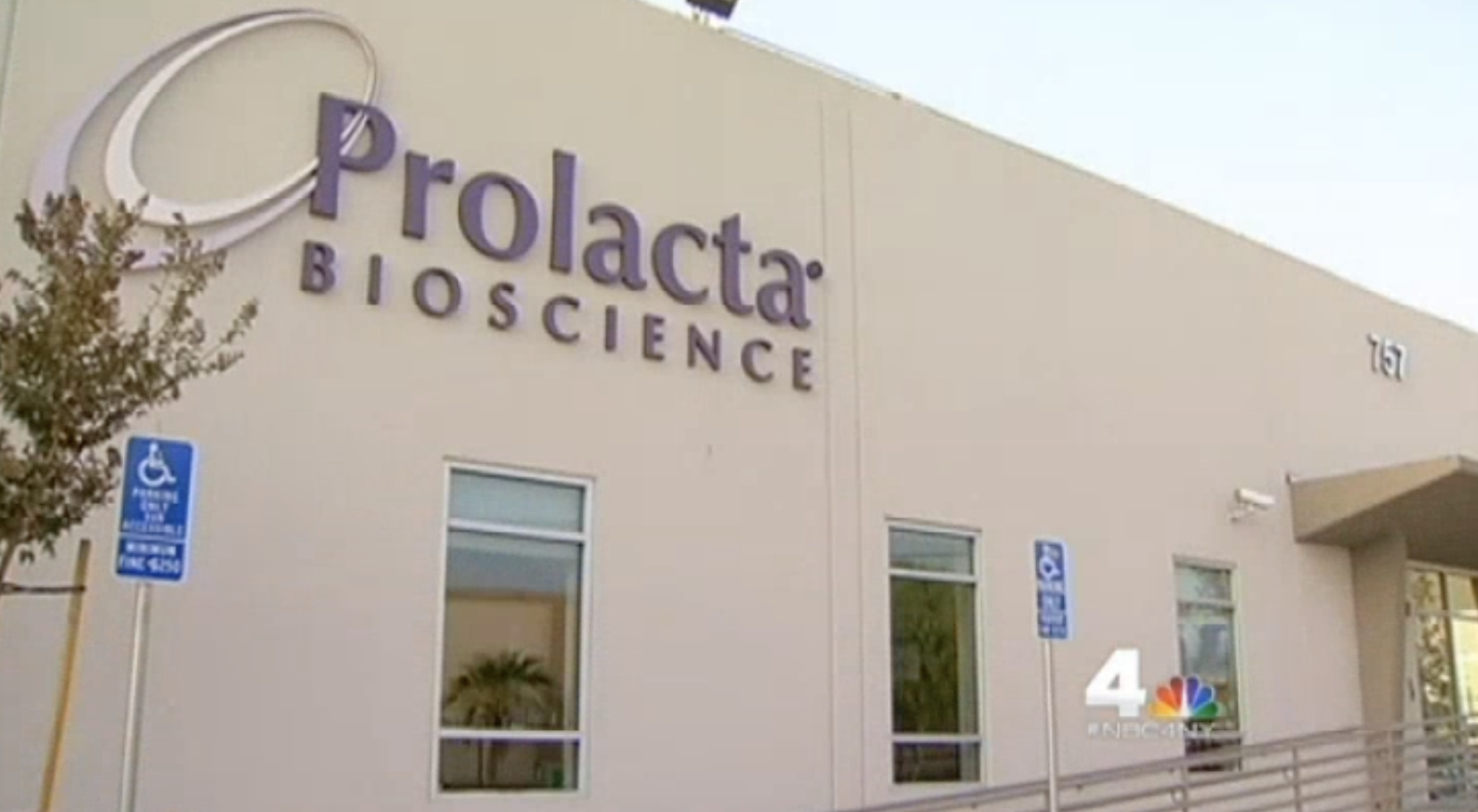
Video: Givens, A. & Glorioso C. Nov 15, 2013. I-Team: Donated Breast Milk Is Often Sold for Profit. (4:09min) Link
Cadaver Tissue for Profit
In addition to the commercialization of human fluids such as blood and breast milk, human tissues collected from cadavers for research and life saving treatments are in scarce supply due to demand emerging from pharmaceutical and regenerative medicine companies. As the case of Henrietta Lacks has revealed, people expect transparency with respect to how bodily tissues are going to be used. This is particularly true for those communities experiencing economic hardship, which ultimately leads to disproportionate health burdens.
“This situation has created tension between the altruistic principles of hospital tissue banks and industry’s profit-oriented principles. Meanwhile, industry lobbying and the political desire to promote the growth of biotechnology markets and jobs have led to increasingly business-oriented legislation controlling human tissue handling … This shift has now gone so far that in some legislations, the risk arises that the interests of industry could take precedence over the interests of patients and research.” (Pirnay et al., 2015, p559)
Perhaps most startling is that the industry push is coming from companies that provide resources for non- essential tissue transplants used in cosmetic surgery.
“In addition, some companies in the tissue engineering field cater to cosmetics rather than medical products. A striking example is the processing of human skin, the gold standard for the treatment of severe burns, into cosmetic products without medical indication, such as penis widening or lip enhancements, which fetch much higher prices than analogues for burn treatments. US burn centres were reportedly struggling to obtain skin because local tissue banks are committing all their donated skin to firms that market products for plastic and cosmetic surgery.” (Pirnay et al., 2015, p 561)
Clearly, as technology and science advance so, too, will the ethical oversight regarding biospecimens and human subjects. Informed policy making will require an interdisciplinary approach that attempts to anticipate which communities and individuals are in need of protections, and how the right to health can be achieved in ways that promote scientific innovation as well as health and economic equity (Arias et al., 2015).
Created : July 23, 2026